

When to Step Away: Recognising the Right Time to Seek Support for Stress, Burnout or Addiction
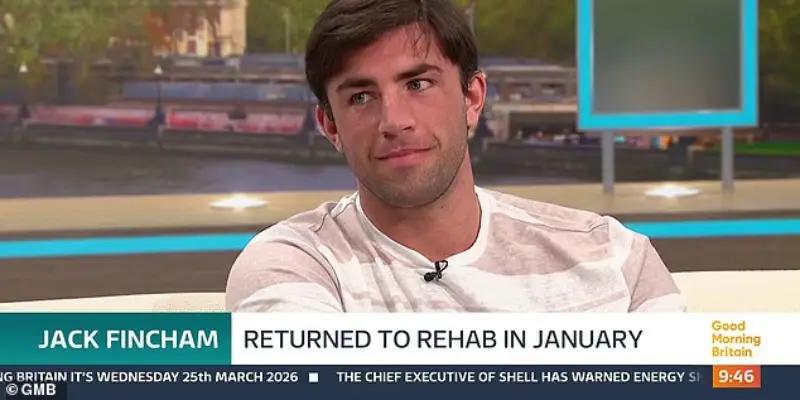
You may have recently seen Jack Fincham speaking on Good Morning Britain about his experiences and the importance of getting support.
As he shared:
“The whole thing of stopping the drugs part was the easy part. It was a full two months of self-reflection. Realising why I do these certain behaviours. What I’ve done, it’s not okay. Things that I need to apologise for. You know, owning it, it’s mine.
I haven’t felt comfortable in my own skin for a long time and I’ve never felt enough for a long time. The people at Rainford Hall and the people that I’ve been working with over the last few months, finally made me realise I’m actually all right. I’m enough.”
For many people, moments like this can prompt a quiet but important question:
“Do I need help too?”
If that question has been on your mind, you are not alone. And sometimes, the most powerful thing you can do is give yourself permission to pause, step away from everything, and focus on yourself in a place that feels completely different from everyday life.
When everyday life starts to feel heavier than it should
Challenges with stress, burnout or substance use rarely arrive all at once. More often, they build gradually, layer by layer, until the weight of it all becomes difficult to carry.
You might notice:
- Feeling constantly overwhelmed or unable to switch off, even when the day is done
- Waking up exhausted despite a full night’s sleep
- Changes in mood that feel harder to explain or manage
- Struggling to keep up with responsibilities that once felt routine
- Reaching for something to take the edge off, more often than you would like
- A growing sense of disconnection from the people and things that matter to you
These are not signs of weakness. They are signs that something needs to change, and that you deserve space to figure out what that looks like.
There is no perfect moment to ask for help
Some people reach a clear breaking point. Others feel a quieter pull, a persistent sense that something is not quite right, even if they cannot put it into words.
Both are valid.
You do not need to wait until things unravel completely. In fact, reaching out earlier, before burnout deepens or patterns become more entrenched, can make a meaningful difference in how quickly you begin to feel like yourself again.
Finding the right kind of support
Everyone’s situation is different, and the right support should reflect that.
For stress and burnout, a shorter, wellbeing-focused programme can provide the breathing room you need: time to rest, reflect, and begin rebuilding balance away from the pressures that have been weighing you down. Even seven to fourteen days in the right environment can shift your perspective in ways that months of pushing through simply cannot.
For alcohol or substance use, a more structured treatment programme may be the right path, often over a longer period, with therapeutic and clinical support in place from the start. This is not about labelling or judgement. It is about getting the depth of care that allows real, lasting change.
The right approach depends entirely on where you are and what you need. That is something best explored in conversation, not decided alone.
A setting designed for recovery
There is something about physically stepping away from your usual surroundings that can unlock a shift in how you think, feel, and breathe.
Rainford Hall sits within 600 acres of peaceful Lancashire countryside, a setting deliberately chosen to feel as far from clinical as possible while still offering the highest standard of care. The grounds, the quiet, the unhurried pace of the day: all of it is designed to help you slow down and turn your attention inward.
Whether you are here for a short wellbeing reset or a longer treatment programme, the environment plays an active role in your recovery. Mornings begin with space and calm rather than alarm clocks and obligations. Afternoons balance structured therapeutic work with time in nature, movement, or simply stillness.
It is not a hospital. It is not a retreat centre that skims the surface. It is a private, CQC-regulated residential setting where clinical expertise meets the kind of environment that helps people genuinely heal.
Many of the people who come to Rainford Hall say the same thing: the moment they arrived, something felt different. The pressure lifted. And for the first time in a long while, they could focus entirely on themselves.
Taking the first step
Reaching out can feel like a significant step, especially if you have spent months or years managing things on your own.
For many people, the hardest part is simply starting the conversation.
You do not need to have all the answers. You do not need to commit to anything straight away. A conversation with our team can help you understand what is available and what might feel right for you, at your own pace, with no pressure.

You are not alone in this
If you have been feeling overwhelmed, burnt out, or struggling with substance use, support is here.
Taking that first step might feel difficult. But it can also be the beginning of something genuinely positive: a quieter mind, a clearer sense of direction, and a way of living that feels sustainable again.
Speak to someone today
If you are considering whether support might be right for you, our team at Rainford Hall is here to listen.
We will talk through your options in a confidential, unhurried way, with no pressure or obligation.
Share with: